California has now become one of the first states to enact specific statutory requirements for attorneys who use generative artificial intelligence in legal practice.
“Automation is increasingly affecting employment. California has enacted four laws limiting AI-driven discipline, addressing layoff disclosures, and restricting workplace surveillance. The premise is simple: lawyers can use AI, but responsibility for the legal work remains with the attorney.”
— Jeffrey M. Lenkov, Litigation Chair, Zelms Erlich Lenkov
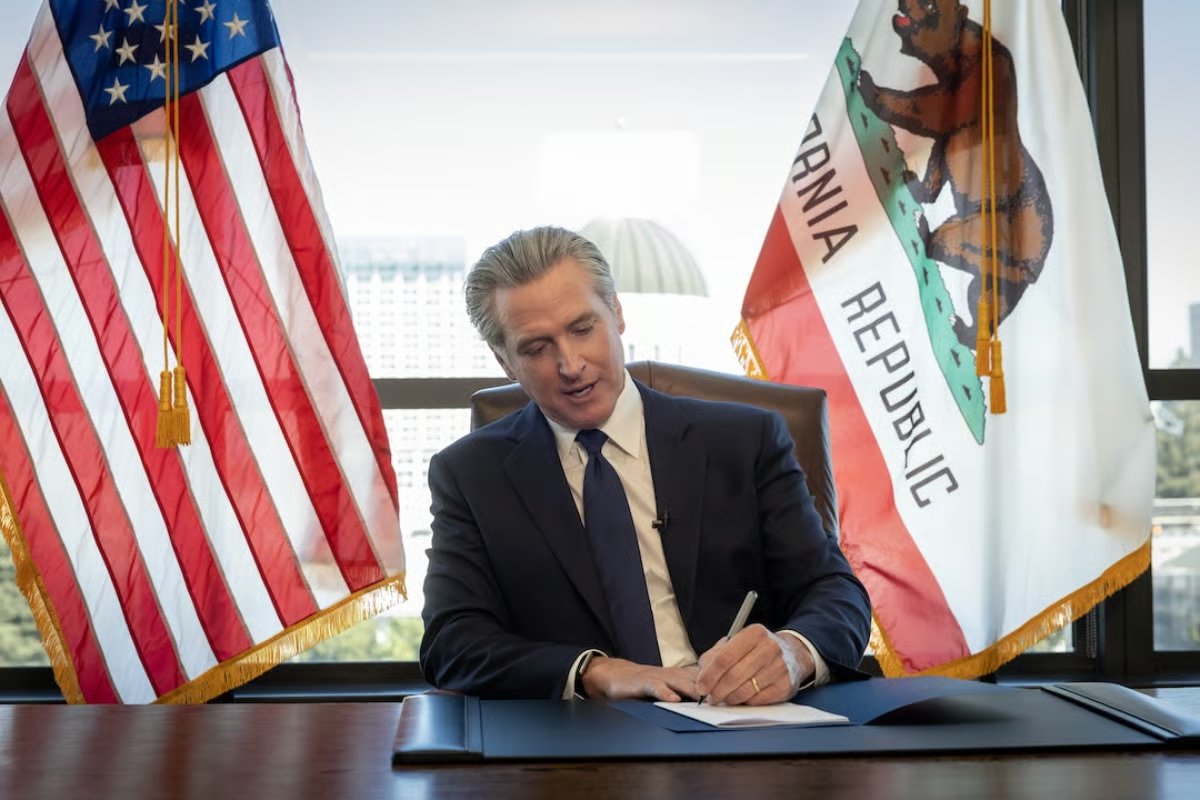
Governor Gavin Newsom signed Senate Bill 574 on September 30, 2026. The law, which takes effect on January 1, 2027, imposes duties concerning confidentiality, AI output verification, court disclosure, and citation verification.
What SB 574 Requires
Attorneys may not delegate the practice of law to generative AI.
The statute expressly provides that an attorney may use generative AI to assist with legal work, but lawyers remain responsible for the legal judgment and work product.
Confidential and nonpublic information.
An attorney may not enter confidential, nonpublic, or identifying information into an AI system unless access is restricted to the attorney and authorized persons subject to the same confidentiality obligations. Attorneys should be careful about what they submit to avoid inadvertent disclosure.
AI-generated material must be verified.
Attorneys must take reasonable steps to verify the accuracy of generative AI outputs, including case and statutory citations, and correct erroneous or hallucinated information in any material they use. This means conducting a proper professional review of the AI output.
Disclosure of AI use to the court.
Section 6068.1 requires attorneys who use generative AI to assist in the practice of law to disclose its use to the court for documents submitted to the court. Attorneys must also consider whether disclosure is appropriate when generative AI is used to create content provided to the public. It would seem prudent to provide document-specific disclosure when AI is used in preparing a filing.
Citations in court filings must be verified.
Amended Code of Civil Procedure Section 128.7 provides that a brief, pleading, motion, or other paper filed in court may not contain citations that the responsible attorney has not personally verified, including citations supplied by generative AI. Violations may be subject to sanctions under Section 128.7.
Going Forward:
AI is a tool to assist, but it does not replace counsel.
Be very careful in how you use AI, especially with sensitive information. It may be necessary to obtain client consent in circumstances where AI is used involving client information or data.
Ensure that your firm has reliable safeguards and protocols in place for compliance and that staff and attorneys have been trained on those protocols.
Verify that your firm has established rules regarding how court disclosures are made.
This article is provided for informational purposes only and does not constitute legal advice.
Sources
California Senate Bill 574, Chapter 858, Statutes of 2026
View source
Office of Governor Gavin Newsom, September 30, 2026
View source